For many people, that is where the story ends.
For us, it was only the beginning.
The criminal case answered one question: who had killed Zara
It did not answer the question that haunted us:
How had this happened?
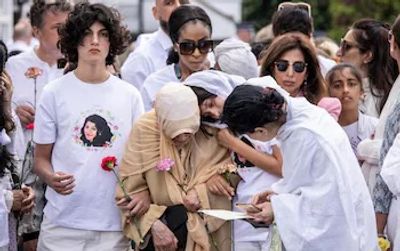

Over the following two years, our family entered a world we knew nothing about. We met lawyers, investigators, politicians, police leaders, probation officials and ministers. We attended meetings, reviewed reports and tried to understand how a dangerous offender came to be free when he should have been in custody.
A number of independent investigations examined the circumstances leading up to Zara's murder. These included a Serious Further Offence Review, an investigation by HM Inspectorate of Probation and reviews by the agencies involved.
The work leading up to the inquest took many months.
In June 2024, almost two years after Zara's murder, a four-week inquest examined the actions of the agencies responsible for managing the offender before Zara was killed. The jury heard evidence from prison, probation, police and local authority witnesses. At the conclusion of the inquest, the jury found that Zara's death had been contributed to by failures across multiple state agencies to share intelligence, accurately assess risk and act in a sufficiently timely and coordinated way.
The Coroner subsequently issued Prevention of Future Deaths reports to a number of organisations.
Our family also received an apology from the national head of the Probation Service, acknowledging the failings that had been identified and the devastating consequences that followed.
There was a solemnity in the courtroom as the findings were delivered. The weight of what had been heard over many weeks was felt by everyone present.
In some ways, it felt as though we had finally been heard.
The failures had been recognised.
The truth had been placed on the public record. Yet as we left court, another truth remained.
Zara was still gone. We had findings. We had answers to some of our questions. We had accountability.
We had an apology.
But none of it could bring Zara back.
Justice matters. Truth matters. Accountability matters.